
The difference between having a social life and feeling that you belong
You have people around you.
You may have colleagues at work, other parents you chat to at the school gate, a partner, neighbours, friends you’ve made since moving to the Netherlands.
You might even have a WhatsApp group that seems to be constantly active.
So why do you sometimes still feel lonely?
It can be a confusing kind of loneliness.
Because technically, you aren’t alone.
And perhaps this makes it even harder to talk about.
You might find yourself thinking:
I have friends. Why do I still feel like this?
I should be grateful. My life is actually going quite well.
Maybe I’m just not making enough effort.
Why don’t I feel more at home here?
There may be nothing wrong with you.
You may simply be experiencing the difference between social contact and belonging.
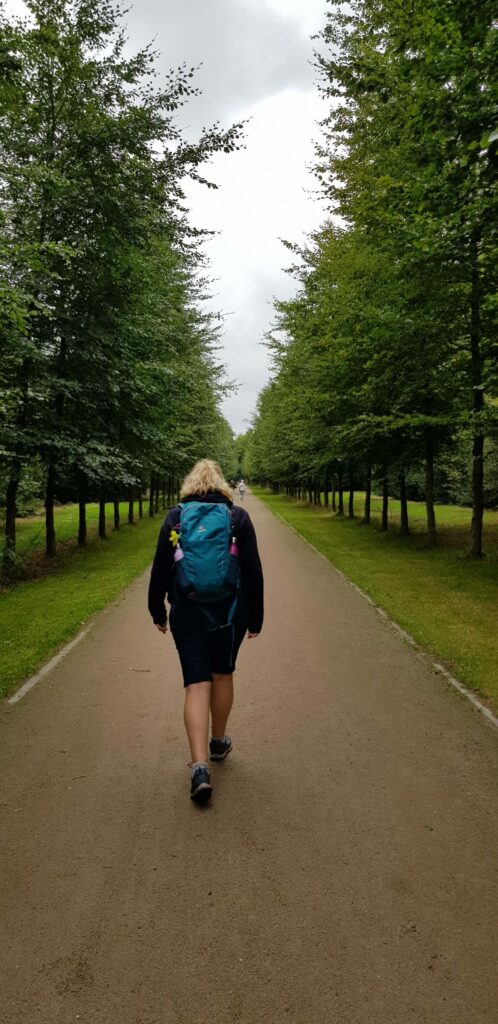
Having people around you isn’t the same as feeling connected
Social contact is important. We need people in our lives.
But connection goes a little deeper.
You can have a conversation with someone without feeling truly seen.
You can go for coffee with someone without feeling that you can tell them what is really going on.
You can be part of a group without feeling that you are part of it.
Belonging has a different quality.
It is the feeling that you can relax a little.
That you don’t have to explain every part of yourself.
That someone knows your history.
That someone notices when you’re quieter than usual.
That you are expected somewhere.
That your presence matters.
For many women living abroad, this is one of the things that can take much longer to rebuild than expected.
You haven’t just moved country. You’ve moved your whole social world.
When you move abroad, the obvious changes are easy to see.
A different house.
A different language.
A different supermarket.
Different systems and routines.
Perhaps a different job.
Perhaps children starting at a new school.
But there is another change that is much less visible.
You have moved away from the network of relationships that helped hold your sense of self.
Back home, you may have had people who knew you for years.
Someone knew your family.
Someone remembered your difficult year.
Someone knew what you meant without needing the whole story.
Someone had seen you through different versions of yourself.
You didn’t have to introduce yourself.
They already knew you.
Living abroad can mean starting that process again.
And that can be surprisingly tiring.
The exhaustion of explaining yourself
There is a particular kind of tiredness that comes from constantly providing context.
Where are you from?
Why did you move?
How long have you been here?
Do you speak Dutch?
Do you like living here?
Are you going back?
And these are perfectly normal questions.
But underneath them can be something more subtle.
You are continually telling people who you are.
You are explaining your background.
Your culture.
Your family.
Your choices.
Your life before the Netherlands.
You are, in a sense, continually translating yourself.
And sometimes you don’t want to translate anymore.
Sometimes you just want to sit beside someone who already understands.
That is one reason loneliness abroad can feel so different from loneliness in a familiar place.
You aren’t only missing company.
You may be missing being known.
Why making friends abroad can take longer than you expected
There is another misconception about making friends as an adult.
We often assume that meeting people is the difficult part.
But meeting people is only the beginning.
Friendship develops through repeated contact.
You see the same person again.
You have another conversation.
You share something small.
Then something a little more personal.
You discover that they remember something you told them.
You begin to trust them.
You start to feel comfortable enough to be yourself.
Over time, familiarity becomes connection.
This is why simply telling yourself to “go out and meet more people” isn’t always helpful.
You may already be doing that.
What you might need is continuity.
Places where you can keep showing up.
People you can see regularly.
Opportunities for relationships to move beyond small talk.
And when you’re already overwhelmed, even creating those opportunities can feel like a lot of work.
When your nervous system is already tired
Moving abroad asks a lot from us.
You are constantly noticing things that used to happen automatically.
How does this system work?
What does that sign mean?
What is expected of me here?
Did I misunderstand that conversation?
How does this social situation work?
Am I doing this the “right” way?
Even when you don’t consciously notice it, adapting takes energy.
And if you are also working, parenting, managing a household or supporting other people, there may not be much energy left.
This can affect the way you connect with others.
You might desperately want company but feel too tired to socialise.
You might crave closeness but become overwhelmed when someone wants something from you.
You might spend an evening alone because it feels easier — and then feel lonely because you were alone.
This isn’t necessarily a contradiction.
It can be a sign that you’re carrying more than you realise.
Instead of asking yourself:
“Why am I withdrawing?”
it can sometimes be more helpful to ask:
“What happens in my body when connection starts to feel like another demand?”
Do your shoulders tense?
Do you feel restless?
Do you want to escape?
Do you become very tired?
Do you find yourself monitoring what you’re saying?
Do you feel that you have to perform a version of yourself?
These small signals can tell us a lot.
Belonging is not about finding your perfect group
When we talk about belonging, it can sound as though there is one perfect group of people somewhere out there waiting for us.
I don’t think it works that way.
Belonging is often much quieter.
It can begin with one person.
One place.
One routine.
One activity you return to.
One relationship where you can gradually be more honest.
One place in nature that starts to feel familiar.
You don’t necessarily need a huge social circle.
You may need a few relationships that feel genuine.
And those relationships often take time.
What trees can teach us about belonging
I often think about trees when I think about belonging.
A tree can look completely self-sufficient.
One trunk standing firmly in the landscape.
But underneath the ground is a much more complicated story.
Its roots reach into the soil.
They interact with fungi, water and the surrounding ecosystem.
The tree isn’t separate from its environment.
It is part of it.
And perhaps humans are not so different.
We can become incredibly good at standing on our own.
Especially when we have moved abroad.
We learn to manage.
We solve problems.
We become independent.
We cope.
We create a new life.
But being capable of standing alone doesn’t mean we are meant to live without connection.
We need somewhere to put down roots.
And roots don’t appear overnight.
They grow slowly.
Quietly.
Often invisibly.
Perhaps you don’t need more people
If you have been feeling lonely despite having people around you, you might try asking yourself a slightly different set of questions.
Instead of:
How can I meet more people?
try:
Where do I feel most like myself?
Instead of:
Why haven’t I made close friends yet?
try:
Which relationships feel as though they have the potential to deepen?
Instead of:
Why don’t I feel at home?
try:
Where am I beginning to feel familiar?
And instead of:
What’s wrong with me?
try:
What kind of connection am I actually longing for?
The answers may surprise you.
Perhaps you don’t need a bigger social calendar.
Perhaps you need more depth.
Perhaps you need more time.
Perhaps you need a place where you can show up without having to perform.
Perhaps you need to reconnect with a part of yourself that became lost in the process of adapting.
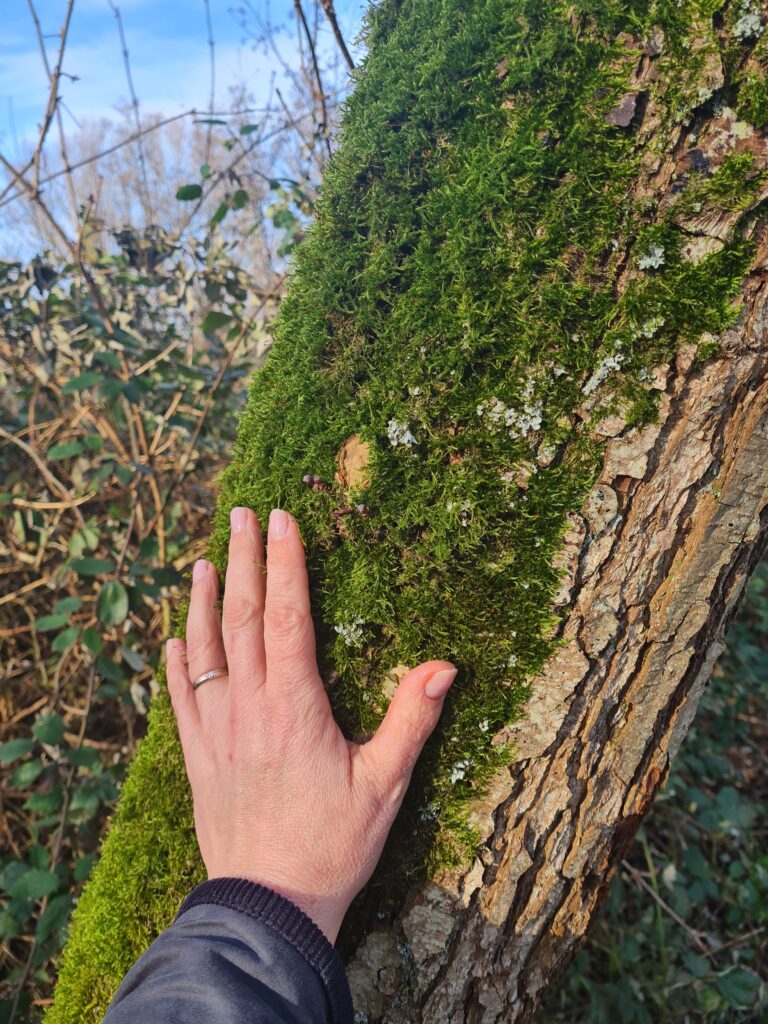
You are allowed to miss something
There is one more thing I think is important to say.
You can love living in the Netherlands and still feel lonely.
You can be grateful for your life here and still miss home.
You can have wonderful people around you and still long for deeper connection.
You can be happy that you made the move and still struggle with what the move has asked of you.
These things don’t cancel each other out.
Life abroad is not an either/or experience.
It can hold several truths at once.
And perhaps giving yourself permission to acknowledge the loneliness is actually part of beginning to feel less alone.
Where do you feel rooted?
If you’re living abroad and this resonates with you, take a moment to consider:
- Where do I feel most like myself?
- Who can I be completely honest with?
- Where do I feel understood without having to explain everything?
- Which places are beginning to feel familiar?
- Where could I keep showing up regularly?
- What kind of connection am I missing?
- What part of myself might need reconnecting with?
You don’t have to answer all of these.
Perhaps just notice which question makes you pause.
Belonging doesn’t usually arrive in one big moment.
It grows through small experiences of familiarity, trust and connection.
A person remembers you.
Someone asks how you really are.
You walk the same path every week.
A place begins to feel familiar.
You contribute something.
Someone notices when you’re not there.
And slowly, almost without noticing, you stop feeling quite so much like a visitor.
You begin to put down roots.
If you’re finding life abroad harder than you expected
Sometimes loneliness is only one part of a bigger picture.
You may also be feeling overwhelmed, disconnected from yourself, exhausted by constantly adapting, or unsure who you are after moving abroad.
This is the kind of experience I work with.
As a trauma-informed, nature-based coach, psychosocial therapist and body-oriented therapist, I work with women living in the Netherlands who are struggling with the emotional weight of building a life somewhere new.
My approach brings together body awareness, nature connection, outdoor coaching and reflective work.
There is no expectation that you need to have everything figured out before you reach out.
Sometimes the first step is simply being able to say:
“I’m finding this harder than I expected.”
And having someone listen.